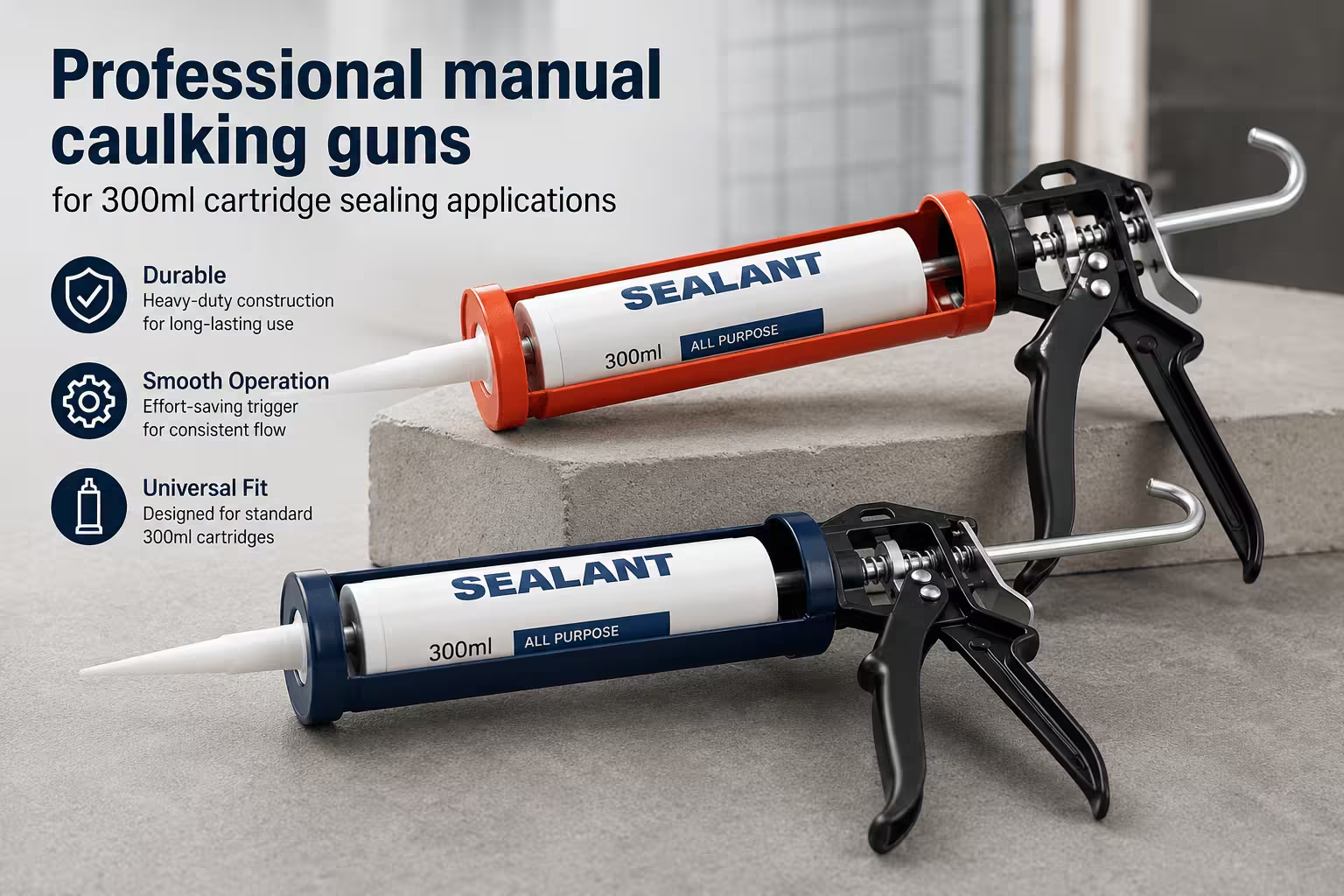
A 10 oz caulk gun is the most common manual caulking gun format on construction sites and in hardware supply chains worldwide. But "10 oz" only describes the tube volume — it does not tell you whether a specific gun frame will physically hold that tube, whether the plunger will contact the sealant properly, or whether the thrust ratio is right for the material inside. Buyers who skip this check often end up with guns that technically accept a cartridge but deliver poor dispensing performance, or with sealant tubes that do not fit any gun in the warehouse.
This article explains the standard caulk gun sizes available today, how to match your gun frame to the correct cartridge dimensions, and what to check before placing a bulk order.
Standard Caulking Gun Cartridge Sizes
The caulking industry uses three main cartridge formats, and each format requires a different type of gun frame.
10 oz (300 ml / 310 ml) — This is the standard cartridge for most silicone, acrylic, and latex sealants. The tube is roughly 8.5 inches long and about 2 inches in diameter. Most general-purpose manual caulking guns are built for this size. The 300 ml metric marking used by many Asian and European manufacturers is functionally equivalent to the 10 oz imperial standard.
29 oz (850 ml) — Sometimes called the quart-size cartridge, this format is used for larger construction projects where sealant consumption is high. The tube measures roughly 13 to 14 inches long with a diameter of 2.5 to 3 inches. These cartridges require a gun with a longer cradle and a higher thrust ratio, typically 12:1 or above, because the larger sealant volume creates more resistance during dispensing.
Sausage packs (400 ml / 600 ml) — These foil-wrapped cylindrical packs are common in professional glazing and masonry work. They fit into a barrel-style gun rather than the half-cradle frame used for standard cartridges. Sausage guns produce less waste and allow faster tube changes on high-volume jobs, but they are not compatible with standard cartridge-format guns.
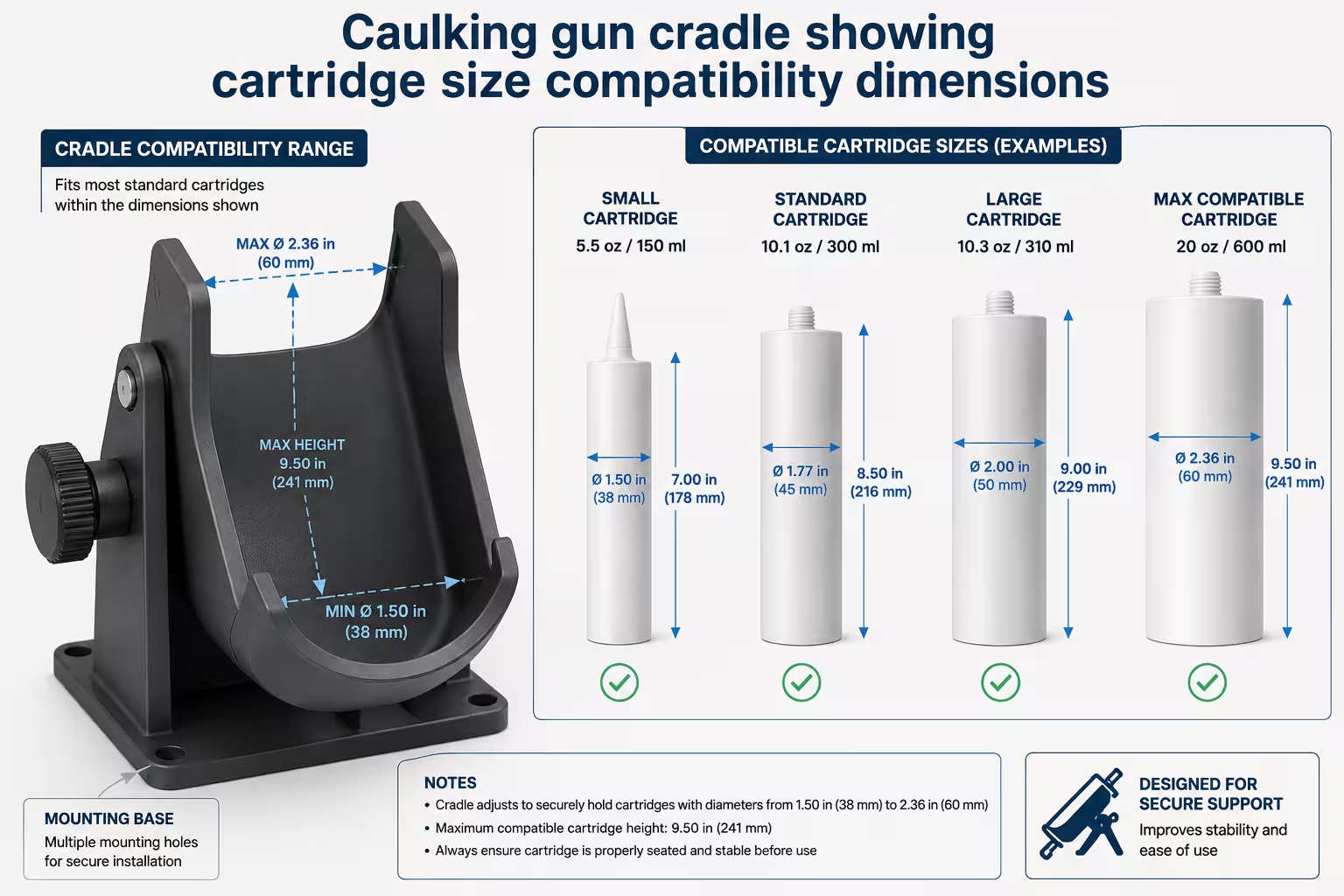
Understanding these three formats is the first step in matching gun frames to cartridges. The next step is checking the physical dimensions of the gun cradle.
How to Match Your Gun Frame to the Cartridge
A caulking gun frame has three dimensions that matter for cartridge compatibility: cradle length, cradle diameter, and plunger rod reach.
The cradle length determines the maximum tube length the gun can hold. A gun built for 10 oz cartridges typically has a cradle around 9 to 10 inches long. A 29 oz gun needs a cradle of 14 inches or more. If the cradle is too short, the tube will not sit flat and the plunger will not engage the sealant at the right angle.
Cradle diameter controls how snugly the tube sits in the frame. Standard 10 oz tubes have a diameter near 2 inches, while 29 oz tubes are closer to 2.5 to 3 inches. A cradle designed for 29 oz tubes will leave a 10 oz tube loose and unstable, causing the tube to shift during dispensing.
The plunger rod must reach the bottom of the cartridge to push out all the sealant. On a 10 oz gun, the rod is shorter. On a 29 oz gun, the rod is longer. If you place a 10 oz tube in a 29 oz gun, the plunger may not contact the sealant piston at all, or it may apply uneven pressure that causes the tube to buckle.
These three dimensions — length, diameter, and rod reach — are what determine whether a gun physically fits a cartridge. Fit is the baseline requirement. Beyond fit, you also need to consider whether the gun's thrust ratio suits the sealant material.
10 oz Caulking Gun: The Standard Workhorse
The 10 oz / 300 ml cartridge format dominates everyday construction sealing, window installation, bathroom finishing, and general repair work. For B2B buyers and distributors, this is the format that moves in the highest volume across retail and wholesale channels.
Manual caulking guns for 10 oz cartridges typically offer thrust ratios between 5:1 and 18:1. For thin silicone and acrylic sealants, a ratio around 12:1 provides smooth dispensing without excessive hand force. For thicker polyurethane or construction adhesive cartridges, a ratio of 18:1 or higher reduces hand fatigue during long sealing runs.
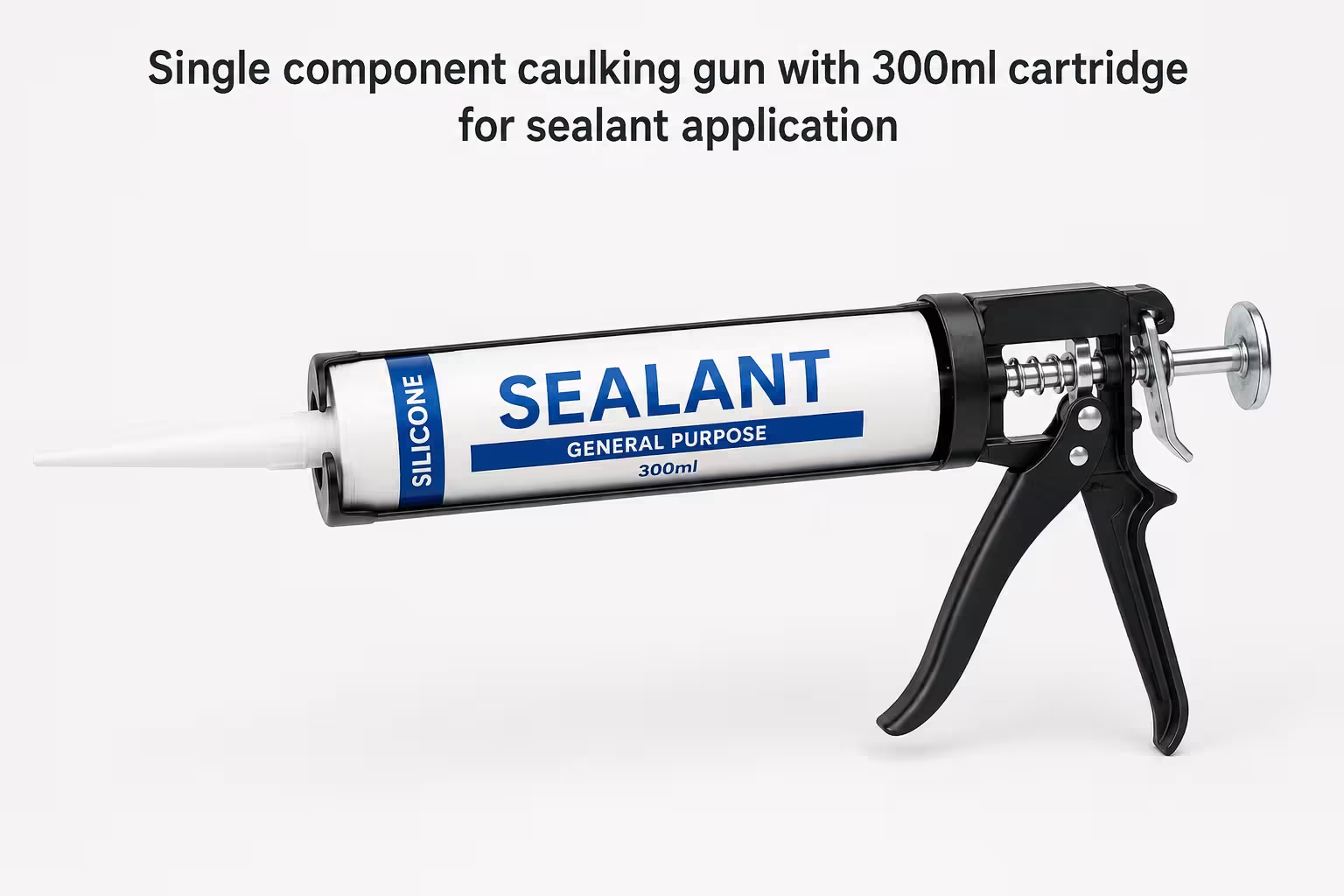
The CaulkMFG single component caulking guns are designed for 300 ml cartridges and offer thrust ratios of 1:18 and 1:26, covering both standard and higher-viscosity sealant applications. For buyers sourcing manual guns for wholesale distribution, these two models cover the majority of 10 oz cartridge use cases.
Cartridge Size and Sealant Type Compatibility
Not every sealant comes in every cartridge size. Silicone and acrylic sealants are almost always packaged in 10 oz cartridges for retail and standard construction use. Construction adhesives and heavy-duty polyurethane sealants sometimes appear in 29 oz cartridges for large-area applications. Specialty epoxy and two-component adhesives may use sausage packs or dual-cartridge systems.
When selecting caulking guns for a product line or project, the practical question is not just "what size gun do I need" but "what sealant sizes does my target market actually use." In most markets, 10 oz cartridges account for the majority of sealant sales, which makes the 10 oz gun format the highest-priority SKU for distributors and wholesale buyers.
Common Cartridge Size Mistakes Buyers Make
The most frequent mistake is assuming all caulking guns are universal. They are not. A gun designed for 10 oz cartridges will not dispense properly from a 29 oz tube, even if someone forces the tube into the cradle. The plunger engagement, cradle geometry, and thrust ratio are all wrong for the larger format.
The second mistake is ordering guns based on tube volume labels alone. Some sealant tubes labeled as "10 oz" have slightly different actual dimensions depending on the manufacturer. Tube length can vary by half an inch, and diameter can differ by a few millimeters. For wholesale orders, always request the actual tube dimensions from the sealant supplier and confirm they match the gun cradle specifications before committing to a large purchase.
The third mistake is ignoring thrust ratio when matching guns to cartridge size. A gun that physically fits a 10 oz cartridge but has a low thrust ratio will require excessive hand force for thicker sealants, leading to user fatigue and inconsistent bead quality. Match the thrust ratio to the sealant viscosity, not just the cartridge dimensions.
FAQ
What is a standard caulk tube size?
The most common standard caulk tube size is 10 oz, which holds approximately 300 ml to 310 ml of sealant. This is the default format for silicone, acrylic, and latex sealants used in residential and commercial construction. The next common size is 29 oz (approximately 850 ml), used for larger projects.
What sizes do caulk guns come in?
Caulking guns come in three main sizes corresponding to the cartridge formats they accept: 10 oz cartridge guns, 29 oz cartridge guns, and sausage pack guns. Some cage-style frames can physically accept two different tube sizes, but dispensing performance may suffer if the gun's thrust ratio and plunger design do not match the cartridge being used.
Can you use a 29 oz gun with a 10 oz tube?
In most cases, no. A 29 oz gun has a longer cradle, wider diameter, and longer plunger rod than a 10 oz gun requires. Placing a 10 oz tube in a 29 oz frame typically results in poor plunger contact, tube instability, and uneven dispensing pressure.
What is the difference between a caulk gun and a sealant gun?
The terms are used interchangeably in most markets. Both refer to a manual dispensing tool designed to push sealant or adhesive from a cartridge or tube. Some regional markets use "sealant gun" to emphasize compatibility with professional-grade sealant cartridges, while "caulk gun" is more common in retail and DIY contexts.
How do I know if my caulking gun will fit a new sealant tube?
Check three measurements: the gun cradle length, the cradle inside diameter, and the plunger rod length. Compare these against the actual tube dimensions — length, diameter, and piston height — provided by the sealant manufacturer. Do not rely solely on the volume label on the tube packaging.
What thrust ratio should I use for a 10 oz caulk gun?
For standard silicone and acrylic sealants in 10 oz cartridges, a thrust ratio of 10:1 to 14:1 is usually sufficient. For thicker construction adhesives or cold-weather applications, a ratio of 18:1 or higher makes dispensing smoother and reduces hand fatigue during extended use.
Choosing the Right Gun-and-Cartridge Combination
Selecting the right 10 oz caulk gun means checking three things before ordering: the gun cradle matches the tube dimensions, the thrust ratio suits the sealant viscosity, and the gun format aligns with how the end user will actually apply the sealant. For wholesale buyers and distributors, confirming these specifications across the sealant brands in your product line prevents costly returns and ensures the guns you stock work properly with the cartridges your customers buy.
If you are sourcing 10 oz / 300 ml manual caulking guns for wholesale or OEM supply, request a quote from CaulkMFG to discuss model options, custom branding, and volume pricing. You can also browse the full range of caulking gun models and specifications to compare thrust ratios and frame options before placing your order.