When buyers compare caulking gun models, they often focus on material, price, or brand. But one specification directly affects how the gun performs on the job: the caulk gun thrust ratio. This number determines how much force the trigger applies to the sealant cartridge, and choosing the wrong ratio leads to hand fatigue, slow work speed, or poor dispensing control. For distributors and procurement teams, understanding thrust ratio helps prevent costly returns and keeps end users satisfied.
What Is Thrust Ratio in a Caulking Gun
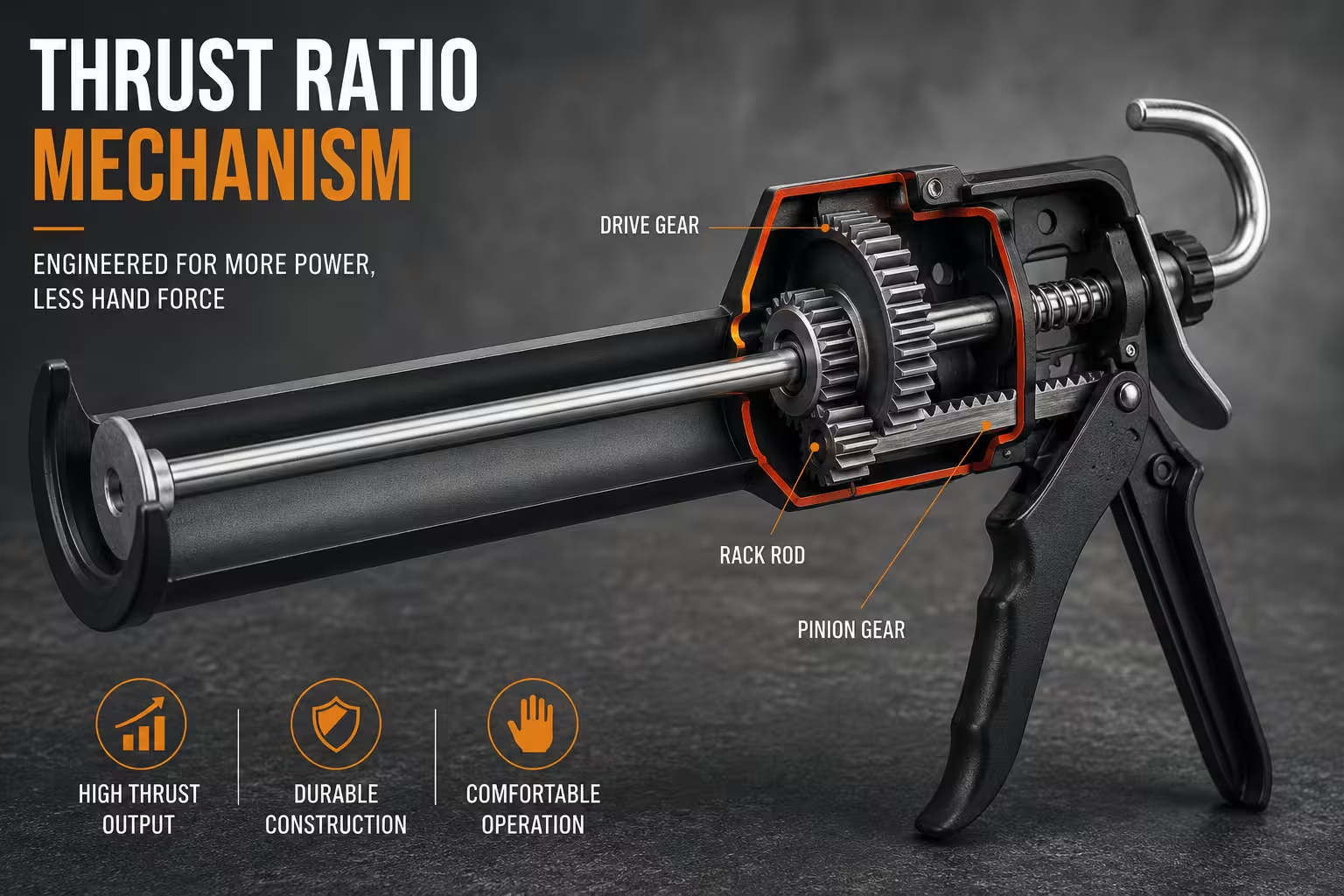
A caulking gun works by pushing a metal rod forward when you squeeze the trigger. The thrust ratio describes the mechanical advantage of that action — how much pushing force reaches the sealant compared to the force your hand applies to the trigger.
A 10:1 thrust ratio means the gun multiplies your hand force ten times. A 26:1 ratio multiplies it twenty-six times. Higher numbers mean the gun pushes harder against the sealant, which matters most when the material is thick or cold.
The ratio is fixed by the internal gear mechanism. You cannot adjust it after manufacturing. This is why selecting the right ratio at the ordering stage is critical for B2B buyers who sell to trade professionals.
Why Thrust Ratio Matters for B2B Buyers
Thrust ratio affects three things that directly impact your customers and your business.
Material handling. Thin sealants like latex and basic silicone flow easily through the nozzle. A low thrust ratio (6:1 to 10:1) handles these materials without excessive force. But construction adhesives, polyurethane sealants, and cold-weather silicone are much thicker. A low-ratio gun will feel impossibly hard to squeeze with these materials, leading the user to think the gun is defective.
Productivity. A higher thrust ratio means less hand effort per squeeze, which matters during long sealing jobs. Contractors who apply sealant all day report significantly less fatigue with an 18:1 or 26:1 gun compared to a 10:1 model. For wholesale buyers supplying construction crews, stocking the right ratio range reduces complaints about tool quality.
Customer satisfaction. When a distributor sells a low-ratio gun to a customer who works with thick construction adhesive, the customer returns the product or leaves a bad review. Matching thrust ratio to the intended application prevents this problem.
Thrust Ratio Categories and When to Use Each
Thrust ratios fall into three practical ranges. Each range suits different materials and working conditions.
Low thrust (6:1 to 10:1). Best for thin, easy-to-flow materials like latex caulk, basic acrylic, and standard silicone. These guns dispense material quickly with each trigger pull because the rod advances a longer distance. However, they require more hand strength for thicker materials. Suitable for light residential work and DIY applications.
Medium thrust (12:1 to 18:1). The most versatile range for general construction and sealing work. Handles standard silicone, acrylic sealants, and moderate-viscosity adhesives. This is the range most trade professionals prefer for everyday use. A 12:1 ratio is widely considered the practical minimum for professional caulking work.
High thrust (18:1 to 26:1). Designed for heavy-duty applications. Handles construction adhesives, roofing sealants, epoxies, and materials used in cold temperatures. Cold weather naturally thickens sealant, so a higher ratio compensates for the increased viscosity. These guns move less material per trigger pull, but the reduced hand effort makes them essential for demanding jobs.
How to Match Thrust Ratio to Sealant Type
The sealant you plan to dispense should determine the thrust ratio you select.
| Sealant Type | Typical Viscosity | Recommended Ratio |
|---|---|---|
| Latex caulk | Low | 6:1 – 10:1 |
| Standard silicone | Low–Medium | 10:1 – 18:1 |
| Acrylic sealant | Medium | 12:1 – 18:1 |
| Polyurethane sealant | High | 18:1 – 26:1 |
| Construction adhesive | High | 18:1 – 26:1 |
| Cold-weather sealant | Higher than normal | 18:1 – 26:1 |
Temperature also affects viscosity. Sealant stored in a cold warehouse or applied outdoors in winter behaves like a thicker material. If your customers work in variable climate conditions, a higher-ratio gun provides a safer default.
Choosing Between CaulkMFG Models
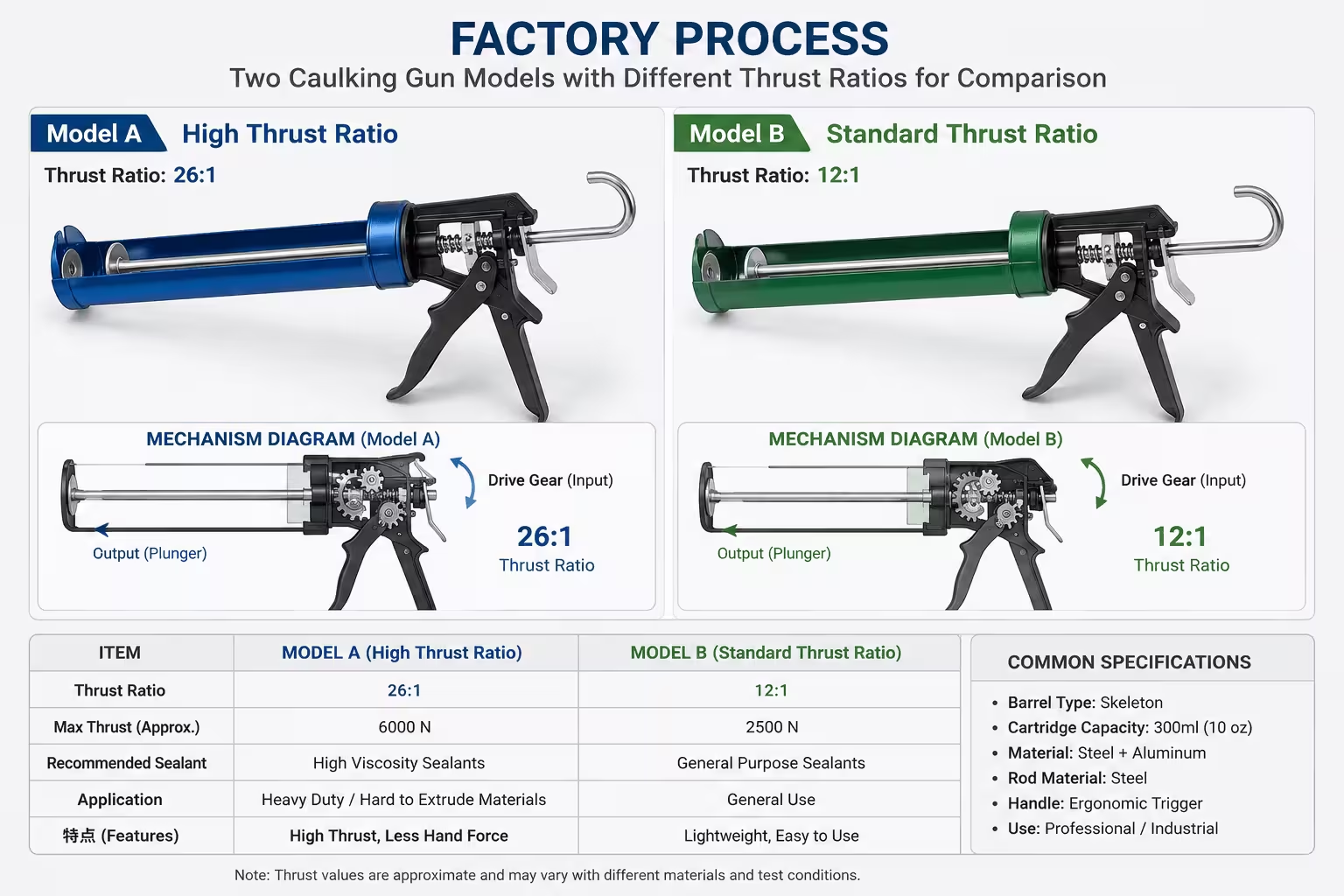
CaulkMFG offers two manual caulking gun models with different thrust ratios, each designed for specific applications.
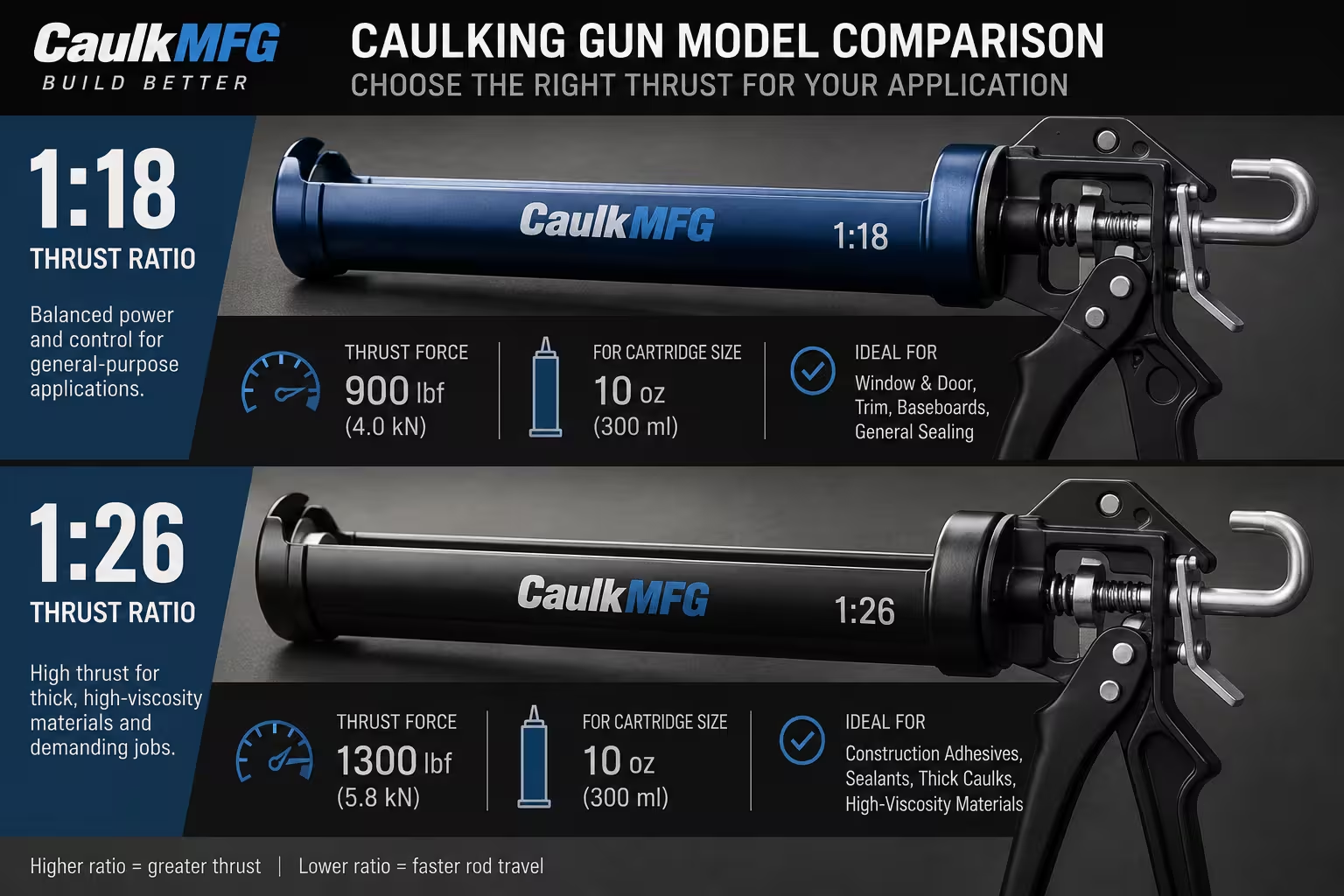
Model 01 (MG300ml, 1:18 ratio). This model handles standard silicone, acrylic, and general-purpose sealants. It suits window installation, bathroom sealing, waterproofing, and routine repair work. The 1:18 ratio provides a balance between dispensing speed and hand comfort. Best for distributors serving the general construction and residential market.
Model 02 (MG300ml, 1:26 ratio). This model is built for thicker materials. Construction adhesives, polyurethane sealants, and cold-weather applications benefit from the higher force multiplication. The 1:26 ratio reduces hand fatigue during extended use with heavy materials. Best for distributors serving commercial construction, industrial assembly, and cold-climate markets.
Both models use reinforced metal frames, smooth thrust rods, and ergonomic triggers. The 360-degree rotating hook allows easy storage on job sites. For wholesale and OEM orders, both models are available in custom colors with branded packaging. Contact CaulkMFG for bulk pricing and customization options.
Practical Tips for Distributors and Contractors
Stock both ratios. Distributors who carry only one ratio risk losing customers who work with different material types. A two-model inventory covers the majority of manual caulking applications.
Match inventory to local demand. Markets with cold winters need more high-ratio guns. Regions with mild climates and standard residential construction can lean toward medium-ratio models.
Educate your customers. Include a simple thrust ratio guide with wholesale orders. Explaining the ratio relationship helps end users select the right gun and reduces return rates.
Consider the material, not just the gun. When a customer says a caulking gun is hard to squeeze, the first question should be what material they are dispensing. The answer often points to a thrust ratio mismatch rather than a defective product.
FAQ
What is thrust ratio on a caulk gun? Thrust ratio is the mechanical advantage of the caulking gun's trigger mechanism. It describes how much force the gun applies to the sealant cartridge relative to the force your hand applies. A 10:1 ratio means 10 pounds of pushing force for every 1 pound of hand pressure.
What is the best thrust ratio for a caulk gun? The best thrust ratio depends on the material you are dispensing. For standard silicone and acrylic sealants, 12:1 to 18:1 provides a good balance of speed and comfort. For construction adhesives and thick materials, 18:1 to 26:1 is more appropriate. For thin latex caulk, 6:1 to 10:1 works well.
Why does caulk keep coming out after I stop squeezing? This usually happens with low-ratio guns that advance the rod too far per squeeze, or with guns that lack a drip-free mechanism. A higher thrust ratio gun with a proper release mechanism gives you more control over when dispensing stops.
Can I use the same caulking gun for all sealant types? Technically yes, but it is not practical. A low-ratio gun will be extremely difficult to use with thick construction adhesive, while a high-ratio gun dispenses thin latex caulk slower than necessary. Matching the gun to the material gives better results and less hand fatigue.
How does temperature affect caulking gun performance? Cold temperatures increase sealant viscosity, making it harder to dispense. If you regularly work in cold conditions, a higher thrust ratio gun compensates for the thicker material. Storing sealant at room temperature before use also helps.
What is the difference between a 1:18 and 1:26 thrust ratio gun? A 1:26 ratio gun multiplies your hand force 26 times, making it easier to push thick materials. A 1:18 ratio gun multiplies force 18 times, which is sufficient for standard sealants but may feel hard with heavy adhesives. The 1:26 model also advances the rod less per squeeze, giving more precise control.