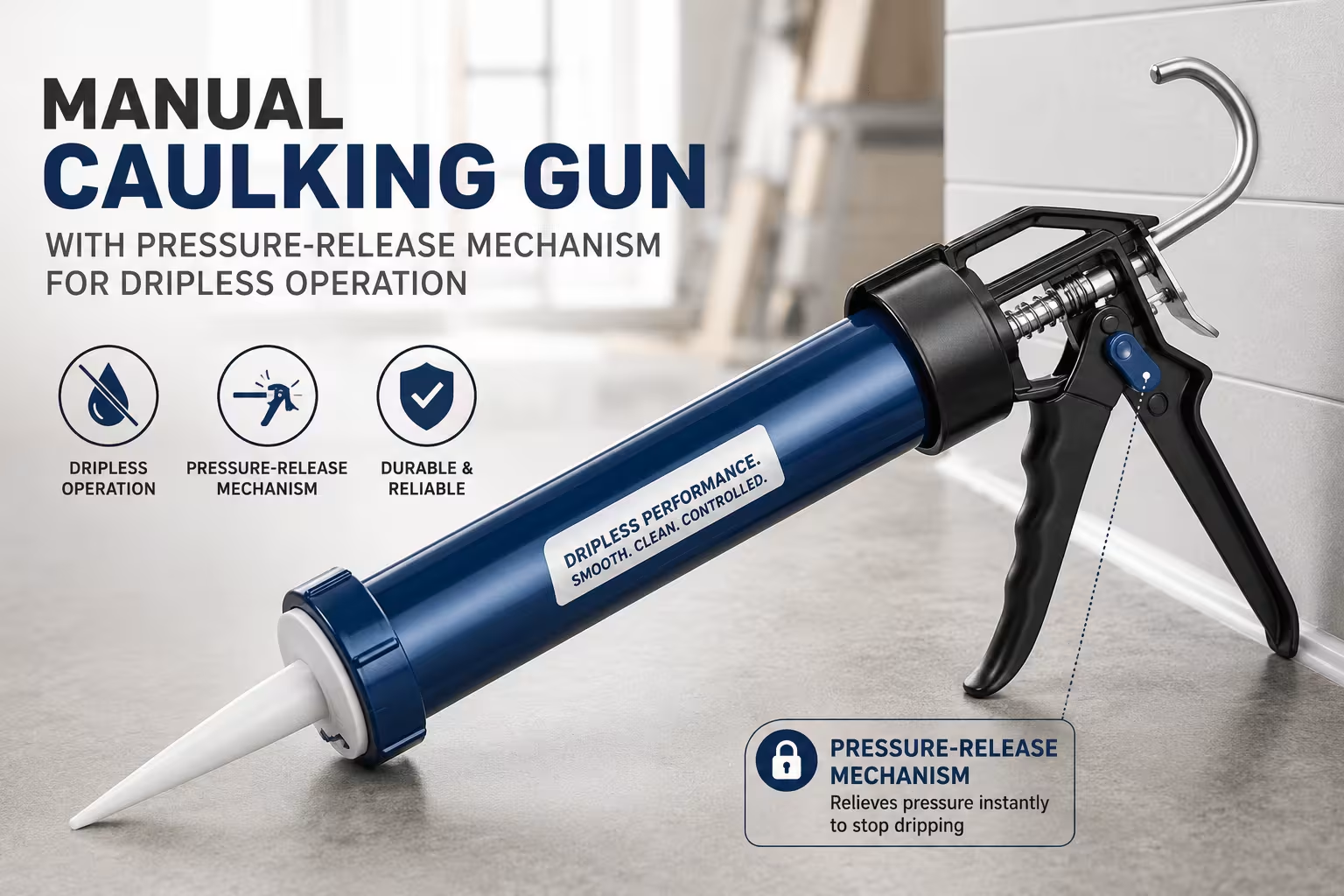
A dripless caulk gun is a manual caulking gun that stops sealant flow when you release the trigger. For B2B buyers choosing caulking guns for wholesale distribution, construction supply, or retail tool lines, understanding the dripless mechanism helps you select models that reduce waste and improve application quality for your end users.
How the Pressure-Release Mechanism Works
Standard caulking guns use a friction rod or ratchet that maintains forward pressure on the cartridge plunger even after you stop squeezing. That residual pressure keeps pushing sealant through the nozzle, which causes drips and material waste on the job site.
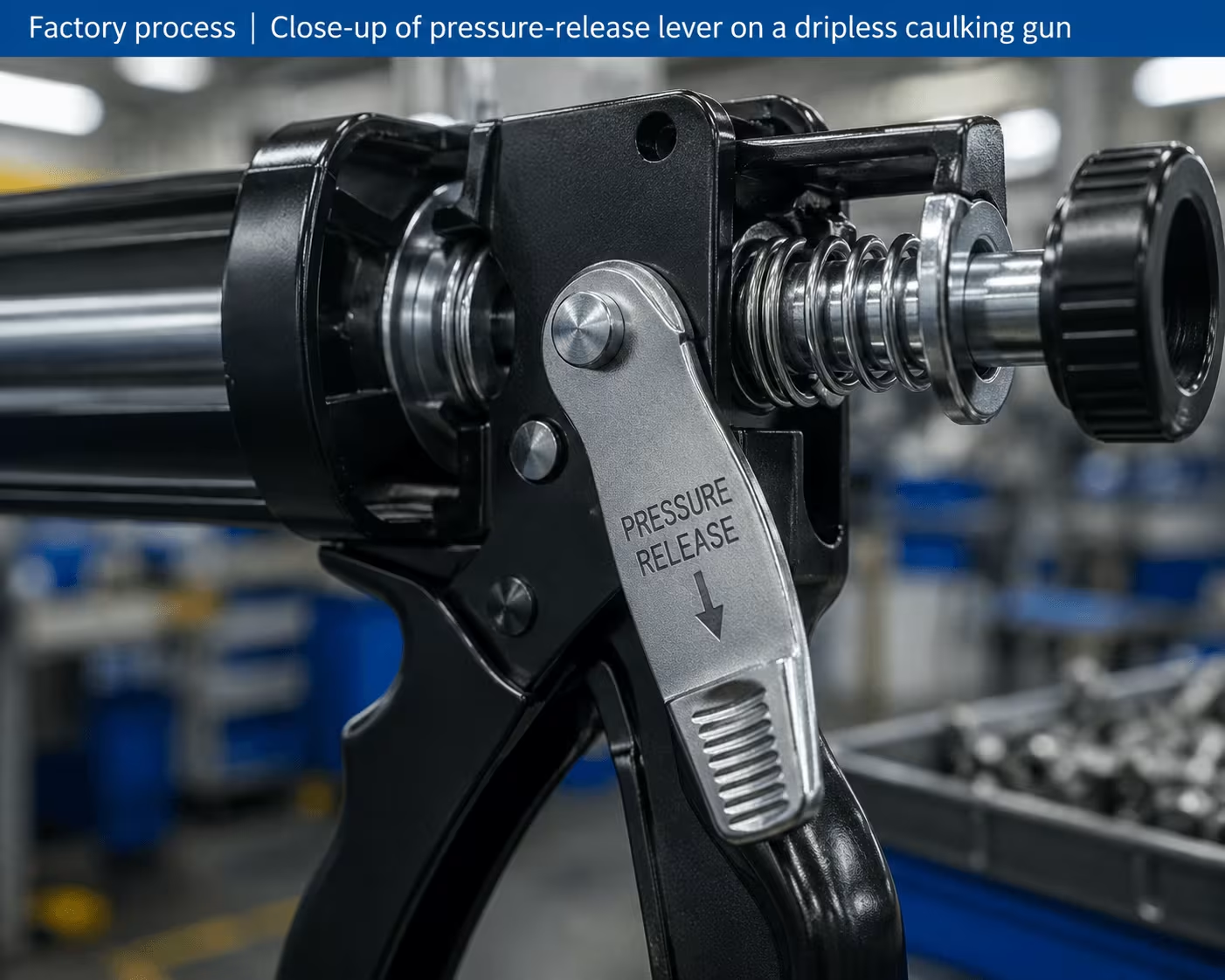
A dripless caulking gun replaces this with a pressure-release mechanism. When you release the trigger, a spring or thumb lever pulls the plunger rod back a small distance. This removes the forward pressure inside the cartridge and stops the flow immediately. The difference is mechanical, not cosmetic. The gun applies pressure when you squeeze and removes it when you let go, which is why the sealant stops coming out.
Some newer designs also include adjustable mode switching. A lever lets the user toggle between dripless and standard operation. This matters when workers switch between thin sealants and thicker adhesives on the same project, since different viscosities respond differently to pressure release.
Why the Dripless Feature Matters for B2B Buyers
On construction sites, workers apply sealant around windows, door frames, joints, and wall gaps throughout the day. A gun that drips between beads wastes material, leaves messy surfaces, and forces workers to stop and wipe the nozzle repeatedly.
For wholesale buyers and distributors, the dripless feature translates into a clear selling point. Less sealant waste means lower project costs for the end user. Cleaner application means faster job completion. Reduced hand fatigue from constant trigger squeezing means workers stay productive over longer shifts.
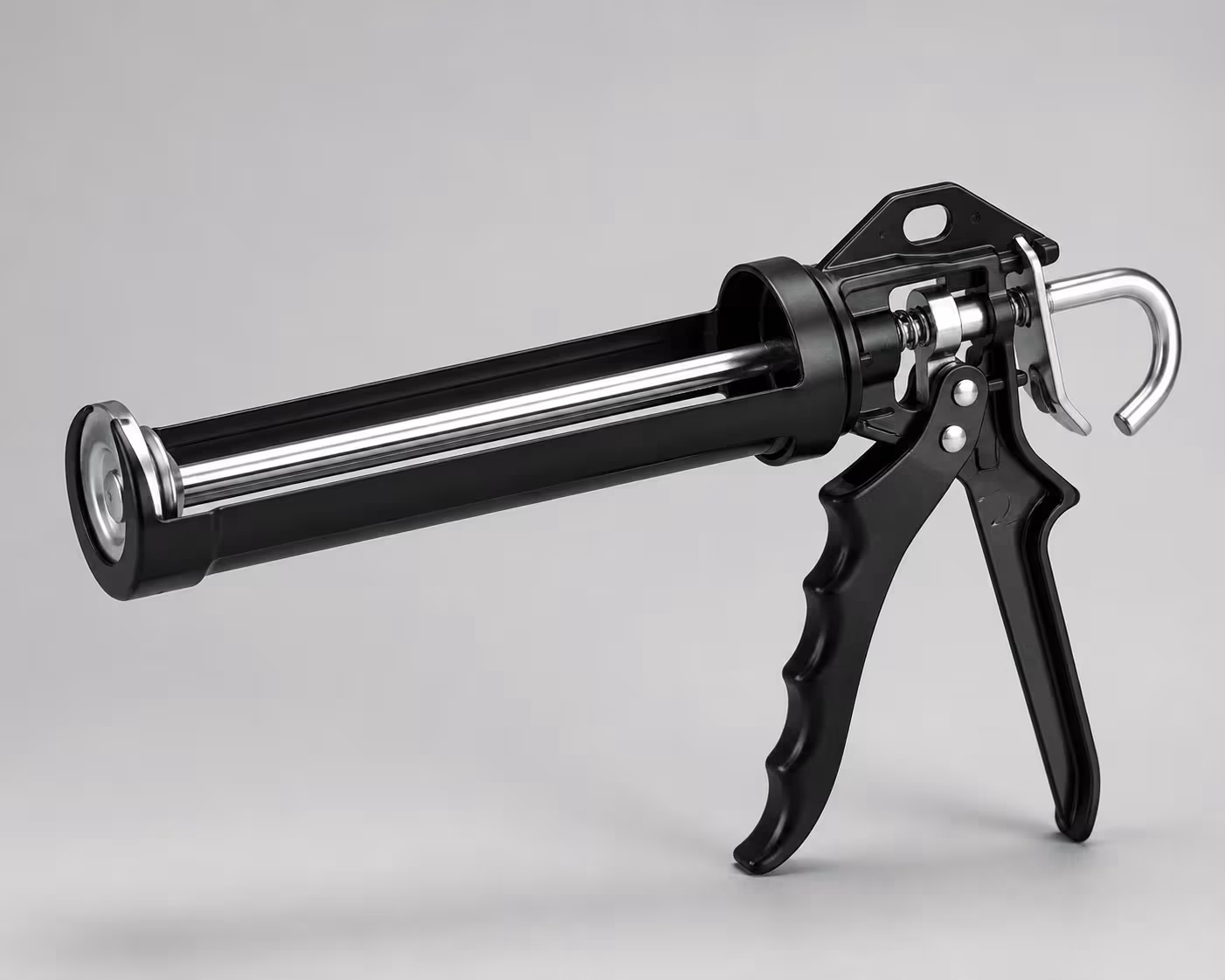
The single component caulking guns from CaulkMFG include models with reinforced metal frames and smooth thrust rods. These structural features work together with the pressure-release mechanism to maintain consistent pressure during application and stop flow cleanly when the trigger is released.
Common Reasons Caulk Still Drips in Dripless Guns
Even with a properly functioning dripless mechanism, users sometimes see residual dripping. The most common cause is air bubbles trapped inside the caulk cartridge. When you squeeze the trigger, the air compresses. After releasing the plunger, the compressed air expands and pushes sealant out of the nozzle regardless of the gun type.
Construction workers report that storing cartridges upright before use allows air bubbles to rise to the top. Squeezing the cartridge a few times before loading it into the gun releases trapped air. This simple preparation step reduces dripping noticeably.
Low-viscosity sealants also cause problems. Thin materials flow more easily and are harder for any gun to control. For standard silicone and acrylic sealants with normal viscosity, dripless guns work as intended. For very thin formulations, some residual flow is unavoidable.
Temperature affects sealant behavior too. Cold sealants are thicker and flow less, but the mechanism may not release as cleanly. Hot sealants thin out and drip more easily, even in dripless guns. Buyers should understand that the gun is one part of the system, and sealant quality and storage conditions matter equally.
How to Identify a Dripless Caulking Gun
When evaluating models for your product lineup, check for these features:
Pressure-release lever or thumb trigger. This is the mechanism that pulls the plunger back when you release the main trigger. Some guns use a separate button; others integrate the release into the trigger itself.
Adjustable mode switching. Guns with both dripless and standard modes appeal to a wider market. Workers who use different sealant types on the same job site need flexibility.
Thrust ratio. For standard silicone and acrylic sealants, a 12:1 ratio provides enough pressure. For thicker adhesives or cold-weather work, an 18:1 or higher ratio reduces hand fatigue. The CaulkMFG single component guns offer 1:18 and 1:26 thrust ratios in metal construction.
Metal frame construction. Plastic frames flex under pressure, which affects the consistency of the pressure-release mechanism. Metal frames hold their alignment and maintain performance over extended use.
Choosing the Right Dripless Caulking Gun for Your Market
For wholesale and retail distribution, consider what your target buyers actually need. Construction contractors who apply sealant daily need durable metal-frame guns with reliable dripless mechanisms. DIY retailers may benefit from adjustable-mode guns that work with a wider range of sealants.
Cartridge compatibility matters too. Most manual caulking guns accept standard 10 oz or 300ml cartridges, but check the specifications before committing to a product line. The manual caulking guns from CaulkMFG are designed for standard cartridge sizes and support custom colors, packaging, and OEM branding.
Bundling dripless guns with recommended sealant brands can improve customer satisfaction. Cheap sealants with more air bubbles will undermine the dripless feature and create frustrated end users. Quality sealants with proper storage deliver the best results and reflect well on the gun brand.
FAQ
What makes a caulk gun drip free? A dripless caulk gun uses a pressure-release mechanism that pulls the plunger back when you release the trigger. This removes forward pressure inside the cartridge and stops sealant flow immediately. Standard guns use friction rods that keep pressure on the cartridge, causing drips.
How to tell if a caulking gun is dripless? Look for a pressure-release lever or thumb trigger separate from the main squeeze trigger. You can also test the mechanism at the store: squeeze the trigger fully, then release it. In a dripless gun, the plunger should pull back slightly and stop pushing. In a standard gun, the plunger stays in place and keeps pressure on the cartridge.
Conclusion
A dripless caulking gun reduces material waste, improves application speed, and lowers hand fatigue for workers who apply sealant regularly. The mechanism is mechanical and reliable, but sealant quality and cartridge preparation affect real-world performance as much as the gun itself. For B2B buyers selecting caulking guns for wholesale or construction supply, pairing dripless models with quality sealants and proper storage guidance gives end users the best results. Request a quote to discuss quantity pricing and custom specifications for your market.