A manual caulking gun is a simple mechanical tool, but when it stops working mid-job — no caulk comes out, the plunger rod will not move, or sealant keeps dripping after the trigger is released — the cause is usually one of a few common problems. Knowing how to fix a caulk gun quickly saves time, reduces material waste, and helps B2B buyers decide whether to repair a gun in inventory or replace it with a more reliable model.
This guide covers the most frequent manual caulking gun failures, their causes, and practical fixes. For each problem, we also include what to check when ordering replacement guns for wholesale, distribution, or OEM supply.
Caulk Won't Come Out — Diagnosing Why the Gun Does Not Dispense
When a caulking gun will not dispense sealant, the problem is almost never the gun itself. Three causes account for nearly all no-flow situations.
Unpierced inner seal. Most sealant cartridges have a foil or plastic seal inside the nozzle base. If this seal is not punctured, the trigger can be squeezed fully with no result. Many manual caulking guns include a built-in puncture rod on the frame — a thin wire stored along the handle or rod. Insert it into the nozzle to break the seal before loading.
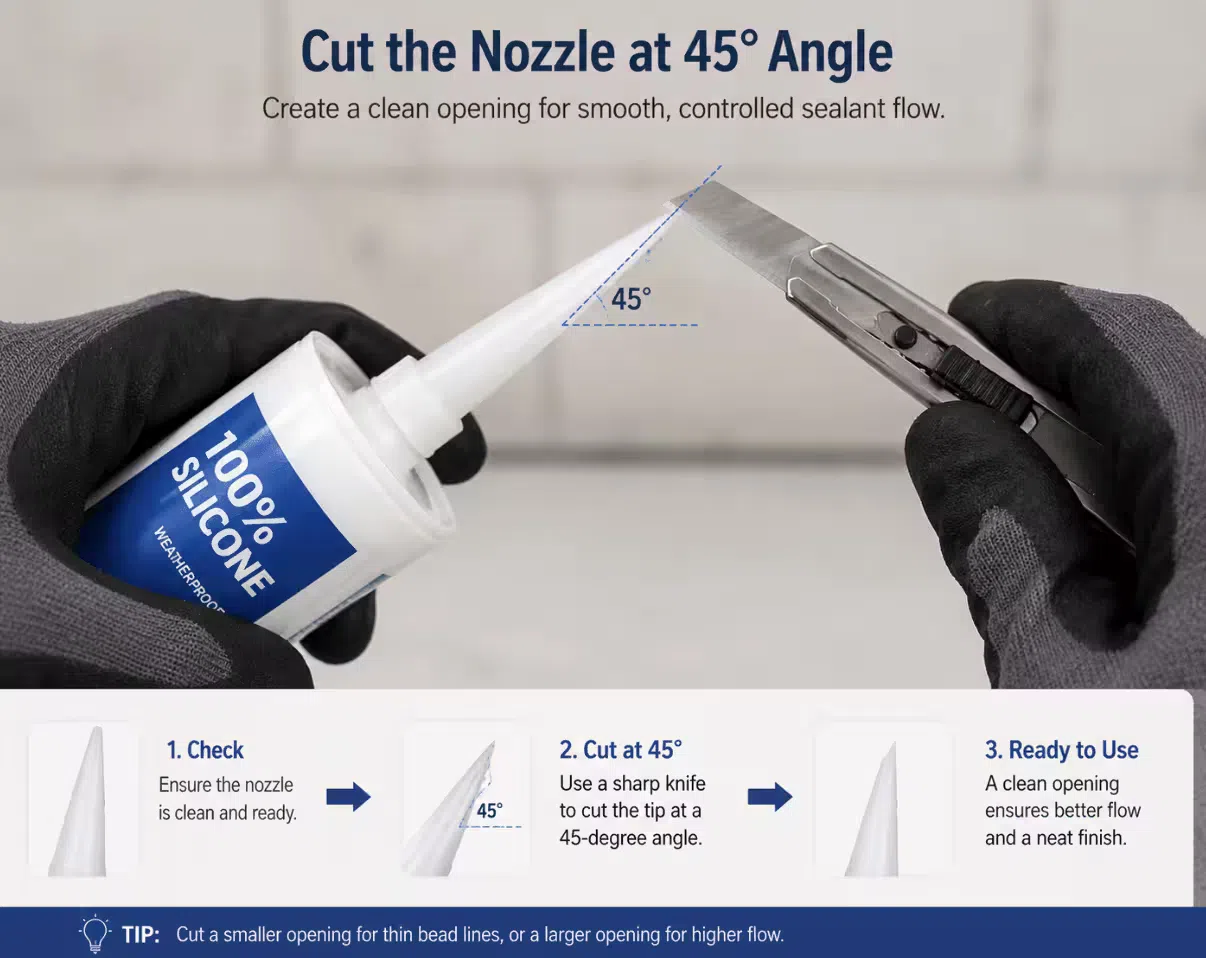
Clogged nozzle. Sealant dries at the nozzle tip between uses or during a pause in application. Cutting 3–6 mm off the nozzle tip exposes fresh sealant. Keeping a rag or wire ready to clear the opening during longer pauses prevents this issue from recurring. The cause is explained in more detail in our caulk gun nozzle guide.
Expired or hardened sealant. Sealant cartridges have a stamped expiration date. Old material, especially polyurethane or hybrid sealants, can thicken or cure inside the tube. If the gun works with a fresh cartridge but not the current one, replace the cartridge. For distributors and wholesalers, checking shelf life during stock rotation reduces end-user complaints and returns.
If none of these fixes resolve the problem and the gun frame shows signs of warping or the plunger rod bends under pressure, the gun frame may not have enough rigidity for the material. Manual caulking guns with aluminum alloy frames typically resist flexing better than stamped steel frames when dispensing thick sealants.
Caulking Gun Drips After Trigger Release
Sealant continuing to flow after the trigger is released is a common complaint among trade users. The cause is residual pressure trapped inside the cartridge.
Most manual caulking guns have a thumb-release lever or pressure-relief mechanism. Pressing this lever after each bead allows the plunger rod to retract slightly, releasing pressure inside the cartridge and stopping the drip. Guns without a reliable dripless mechanism will drip more regardless of technique.
Factors that make dripping worse include:
- Low-viscosity sealants such as acrylic or silicone
- Nozzle opening cut too large for the bead size
- Cartridge stored or used in warm conditions, which thins the material
- Worn or missing pressure-relief components on the gun
For B2B buyers stocking guns for trade customers, guns with a switchable pressure-relief device or smooth-rod dripless design tend to generate fewer after-sales complaints about dripping. The mechanism type should be confirmed during model selection.
| Problem | Likely Cause | Quick Fix | B2B Check When Ordering |
|---|---|---|---|
| No caulk comes out | Unpierced seal, clogged nozzle, expired cartridge | Puncture seal, cut nozzle tip, replace cartridge | Confirm gun includes puncture rod |
| Caulk drips after trigger release | Residual cartridge pressure | Press thumb-release lever after each bead | Check for pressure-relief or dripless mechanism |
| Plunger rod slips or sticks | Dried sealant on rod, worn friction plate | Clean rod with solvent; replace friction plate | Choose guns with replaceable friction parts |
| Gun frame flexes under pressure | Low thrust ratio for material viscosity | Use higher-thrust gun (18:1 or above) | Stock multiple thrust ratio tiers |
Plunger Rod Stuck or Slipping — Rod Mechanism Problems
The plunger rod is the part that transfers trigger force to the sealant cartridge. When it sticks or slips, the gun cannot build dispensing pressure.
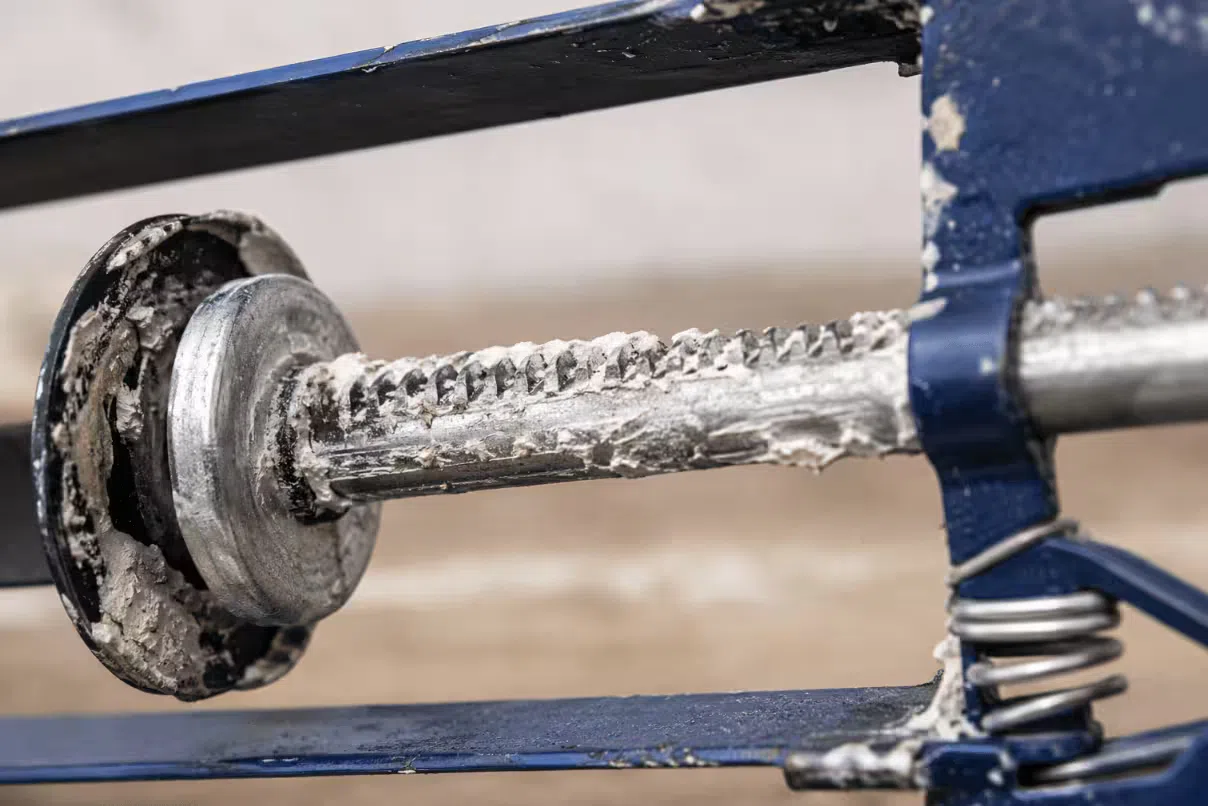
Dried sealant on the rod is the most common cause. Sealant residue builds up on the rod surface over time, creating friction that prevents smooth movement. Cleaning the rod with mineral spirits or isopropyl alcohol after each use prevents this. If the rod is already stuck, apply solvent to the exposed section and work the rod back and forth until it moves freely.
Worn friction drive plates. In ratchet-type guns, small metal plates grip the rod to advance it. These plates wear down over time, especially with heavy use or hard sealants. When the grip is lost, the trigger pulls but the rod does not advance. Many commercial-grade guns allow replacement of these plates as spare parts, which is useful for buyers managing large tool inventories.
Bent or misaligned release tab. The metal tab that disengages the rod when pressed can bend out of position. A bent tab either prevents the rod from releasing or lets it slip during use. Straightening the tab with pliers often works as a temporary fix, but a bent tab signals that the gun frame may be reaching the end of its service life.
For procurement teams evaluating guns for distribution, rod mechanism type matters. Smooth-rod guns with a continuous friction grip tend to have fewer jamming issues than ratchet-type guns, and their parts are simpler to maintain. You can read more in our guide to caulking gun trigger mechanism types.
Key Specifications for Manual Caulking Gun Troubleshooting
When diagnosing or replacing manual caulking guns, these specifications determine whether a gun will perform reliably for a given application:
| Specification | Unit | What It Affects | B2B Buying Note |
|---|---|---|---|
| Thrust ratio | Ratio (e.g. 12:1) | How much force the trigger delivers to the plunger | Higher ratios are needed for thick sealants and cold-weather use |
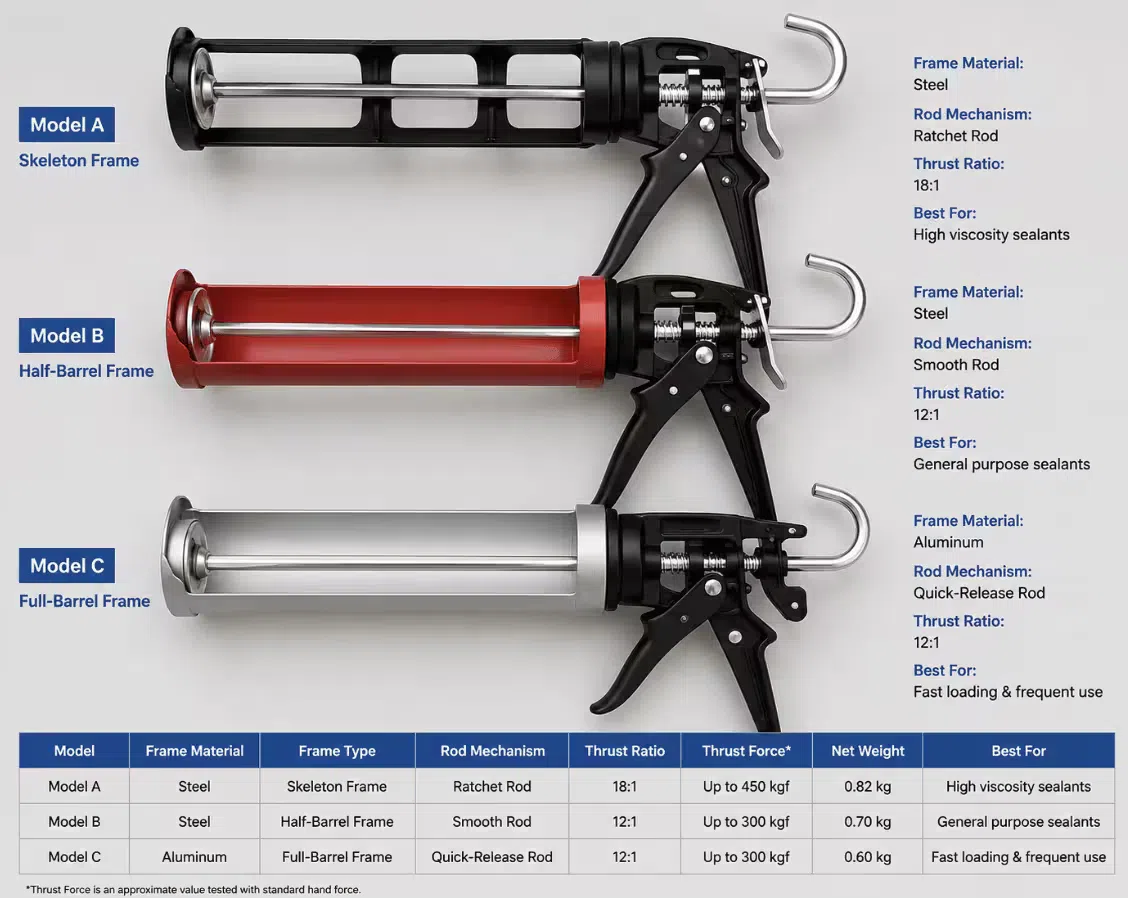
| Frame material | Aluminum alloy, steel, or composite | Gun weight, corrosion resistance, and rigidity | Aluminum resists flexing with thick materials; steel is heavier but durable |
| Rod mechanism | Ratchet or smooth rod | How the rod advances and releases | Smooth-rod guns typically jam less and drip less |
| Cartridge size | 300 ml / 310 ml (standard) | Which sealant cartridges fit the frame | Confirm cartridge format before ordering bulk quantities |
| Dripless mechanism | PRD / thumb-release / none | Whether the gun stops sealant flow after trigger release | Guns with PRD reduce material waste and after-sales drip complaints |
How Thrust Ratio Affects Troubleshooting
Many "not working" complaints are actually a gun specification mismatch. The thrust ratio determines how much force the trigger delivers to the plunger. A 12:1 thrust ratio gun works well for silicone and acrylic sealants but struggles with polyurethane, construction adhesives, or cold materials.
| Sealant Type | Typical Viscosity | Recommended Thrust Ratio | Common Symptom If Wrong |
|---|---|---|---|
| Silicone, acrylic, latex | Low to medium | 10:1 to 12:1 | Hard to control bead flow |
| Hybrid sealants, polyurethane | Medium to high | 12:1 to 18:1 | Trigger feels heavy, uneven bead |
| Construction adhesive, epoxy | High | 18:1 or higher | Gun will not dispense at all |
Thrust ratio requirements vary by material, temperature, and nozzle size. These are typical ranges, not guarantees. Check the sealant manufacturer's technical data sheet for specific dispensing force recommendations. For more detail on matching gun specs to materials, see our guide on polyurethane sealant gun specs. If the gun is hard to squeeze even with the correct thrust ratio, the problem may be a material or technique issue covered in our article on caulk gun hard to squeeze causes.
When to Replace Instead of Repair
Some damage cannot be fixed economically. For B2B buyers managing tool stock or supporting end-user customers, knowing the replacement threshold prevents wasted time and repeated failures.
Replace the gun when:
- The frame is cracked or bent — welded repairs weaken the structure
- The plunger rod is bent — a bent rod will not seat squarely against the cartridge plunger
- The release mechanism is repeatedly breaking — this indicates a design limitation
- Parts for the specific model are no longer available from the manufacturer
For distributors and wholesalers, the practical rule is: if the gun costs less than the labor time spent diagnosing and repairing it, replace it. A reliable manual caulking gun with a solid aluminum frame, appropriate thrust ratio, and dripless mechanism will typically outlast multiple repairs on a lower-quality model.
Frequently Asked Questions
Why is my caulking gun not working? The most common reasons are an unpierced inner seal in the cartridge, a clogged nozzle, or sealant that has expired. Check these before assuming the gun is broken. If the gun itself has a stuck rod or bent frame, replacement may cost less than repair.
How do I release pressure from a caulk gun to stop dripping? Press the thumb-release lever or pressure-relief tab immediately after finishing each bead. This retracts the plunger rod slightly and releases residual pressure inside the cartridge. On guns without a release lever, pulling the rod back by hand while pressing the release tab achieves the same result.
Why is caulk coming out the back of the cartridge? The internal plunger disk inside the cartridge has separated from the tube wall. This happens with expired cartridges, rough handling, or when the gun's thrust plate pushes off-center. Replace the cartridge and make sure the gun's plunger plate is centered before squeezing.
How do I fix a stuck caulk gun plunger? Clean dried sealant off the rod using mineral spirits or isopropyl alcohol. If the rod still will not move, check that the release tab is fully engaged. For a rod that slips instead of advancing, the friction drive plates may be worn and need replacement.
What thrust ratio do I need for thick sealants and adhesives? For polyurethane, construction adhesives, and cold-weather applications, an 18:1 or higher thrust ratio is a typical starting point. A 12:1 gun will likely struggle or fail to dispense these materials consistently.
Can I buy replacement parts for a manual caulking gun? Some commercial-grade guns offer replacement friction plates, plunger seals, and release levers as spare parts. For wholesale buyers, stocking common replacement parts reduces tool downtime for end users. Confirm spare parts availability with the supplier before placing a bulk order.
How do I choose a caulking gun that will not drip? Look for models labeled dripless or with a switchable pressure-relief device. Smooth-rod guns typically provide better drip control than basic ratchet models. The dripless mechanism should be listed in the product specification sheet.
What quantity should I order for wholesale stocking of manual caulking guns? Stocking quantity depends on your market mix of sealant types and end-user preferences. Distributors typically stock at least two thrust ratio tiers — a 12:1 model for standard sealants and an 18:1 model for construction adhesives. Sample testing before bulk ordering helps confirm the right models for your customer base.
Ordering Manual Caulking Guns for Wholesale and Distribution
Reliable manual caulking guns reduce after-sales support costs and improve end-user satisfaction. When ordering for wholesale or OEM supply, provide the following so we can recommend suitable models:
- Sealant types and typical viscosity range
- Cartridge format (300 ml, 310 ml, or other)
- Target market and expected order quantity
- OEM or private label requirements
- Spare parts and packaging preferences
CAULKMFG supplies manual caulking guns in multiple thrust ratios, frame materials, and dripless configurations. Browse our manual component guns or contact us with your sourcing requirements.